Prayer-nign - ניגון תפילה
-
- אחת ואחת, אחת ושתים
- יום כיפור
- מוסף
- סדר העבודה
-
- Shverd, Elazar (Belz) - שווערד, אלעזר (בעלזא)
-
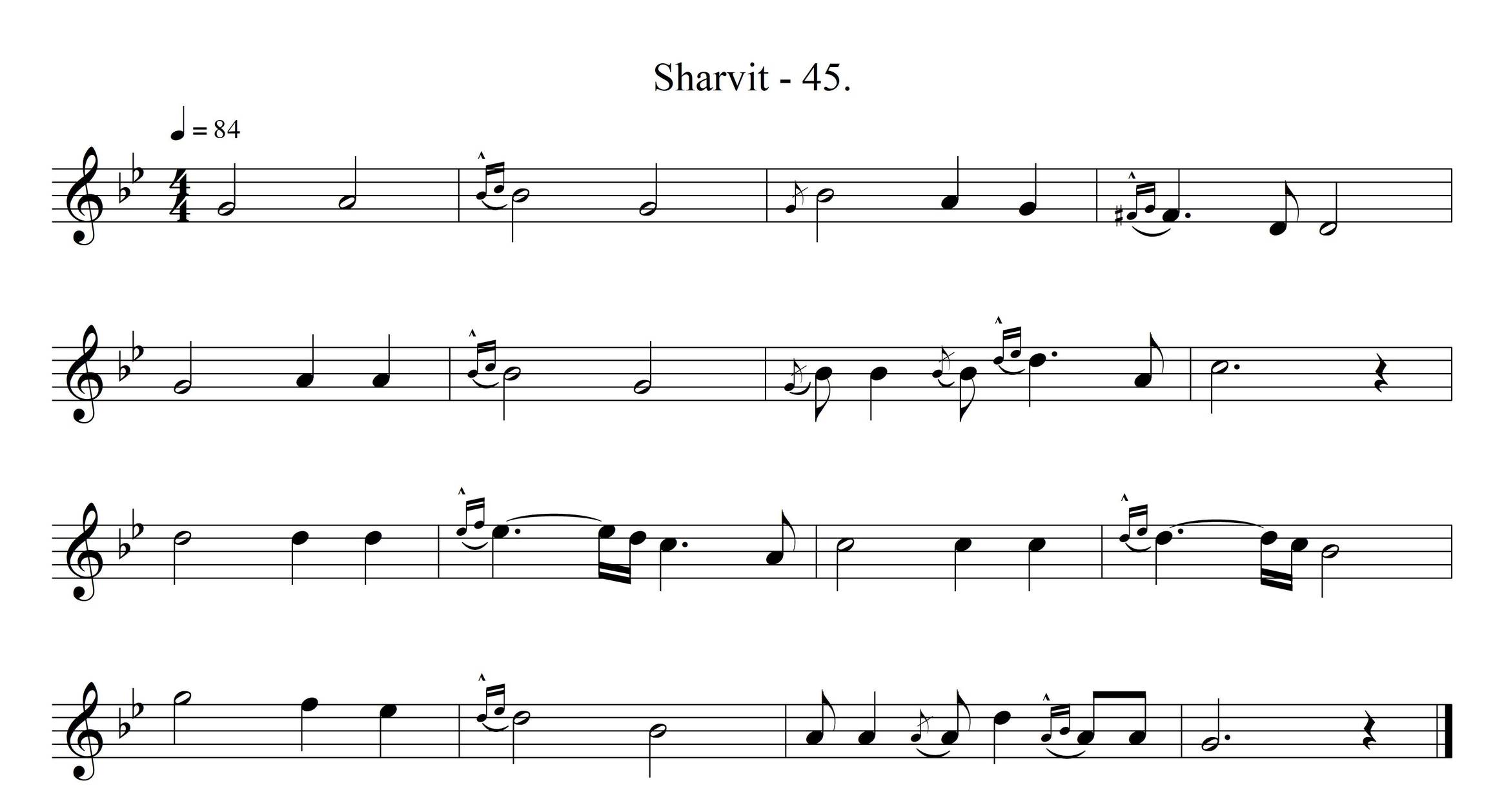
#45
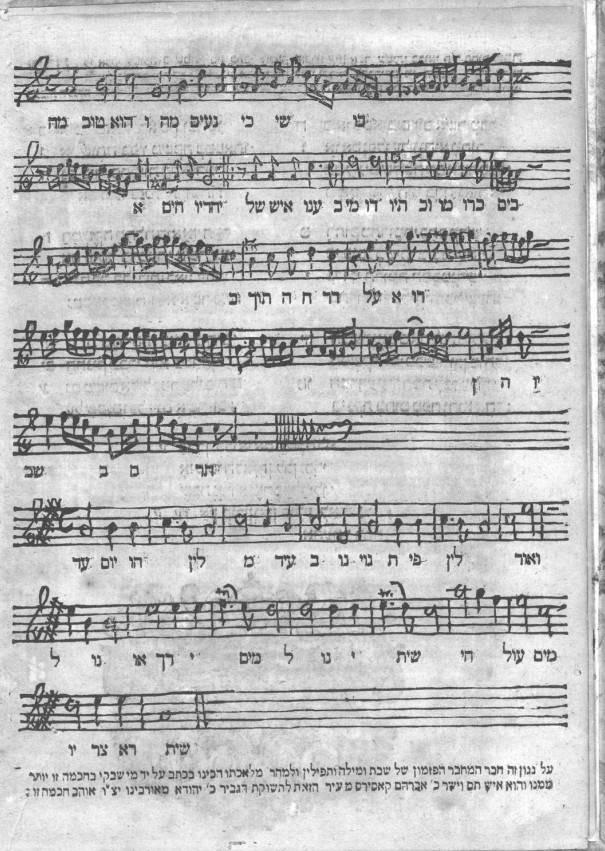
באסופה נרשם: ניגון שעל-פיו הושר הקטע: "אחת ואחת". גרסה במז'ור נכללה בספר הון עשיר מאת עמנואל חי בן אברהם ריקי (1731). הלחן חובר - או אומץ - על ידי מלחין יהודי בן הזמן אברהם קסרס. ראו: מ' גורלי, תצליל, 1966, ע' 14; ראו לחן שני בסריקה מתוך הספר בהשמך
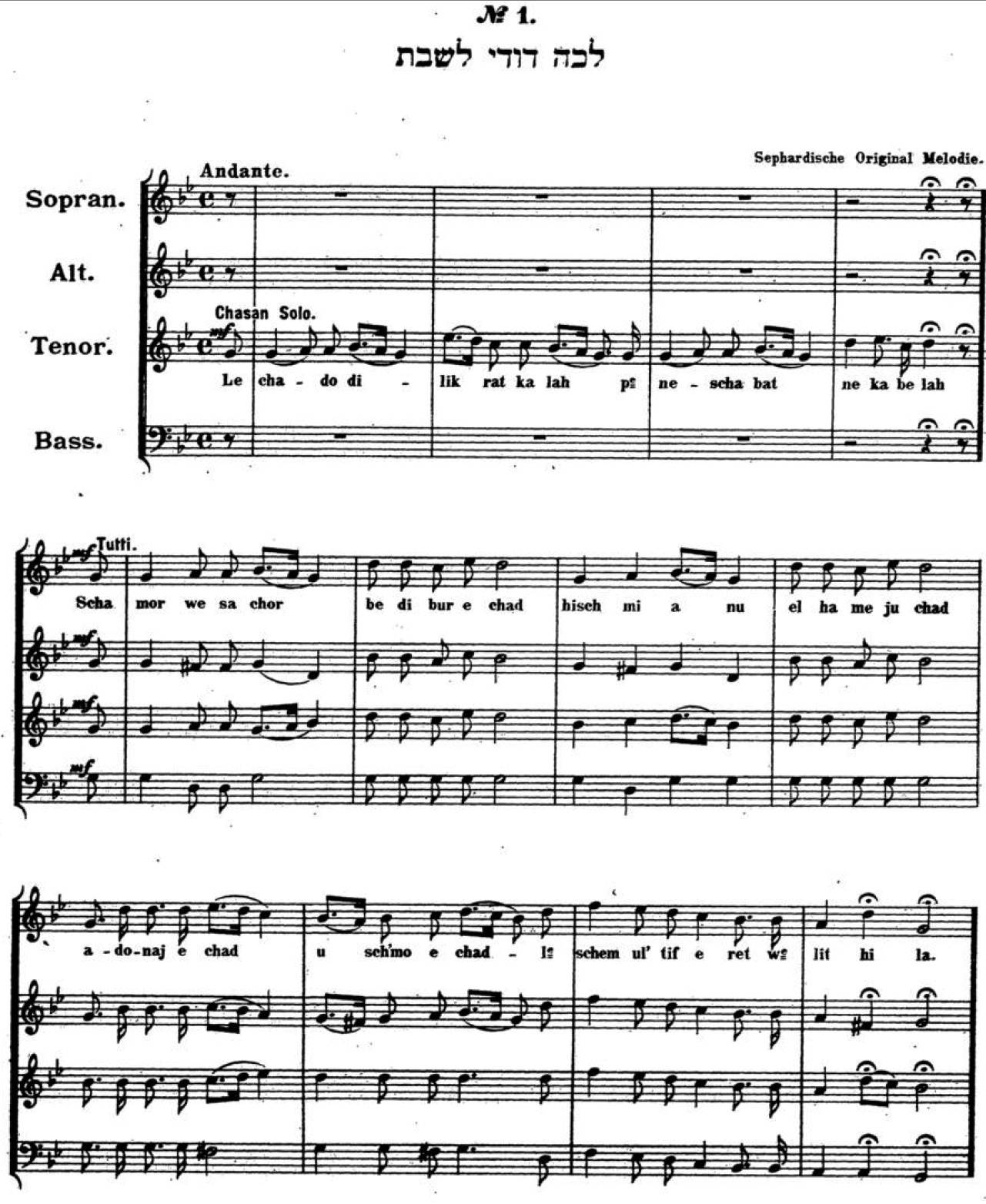
א' סרוסי איתר גרסה חזנית ('לכתחילה אריבער': גלגולו של ניגון איטלקי אל מסורת חב"ד ואל הפייטנות המזרחית, 2018): "לכה דודי" בלחן זה הושר בבהכ"נ של יהודי טורקיה בווינה. תווי הלחן נרשמו בשנת 1880 בערך ונדפסו בפתח שיר הכבוד (וינה 1889), שערכו החזן הראשי יעקב באואר ומנצח המקהלה איזידור לוויט. הם רשמו את הלחן במינור, כפי ששמעו אותו מפי זקני העדה; הדמיון מעל לכל ספק, ראו סריקה שניהEditor's notes: This tune used to be sung to the words Ahas ve-ahas. Its Major version has appeared in the book “Sefer Hon ’Ashir” (1731) by Emanuel Hay Ricchi. The music was composed - or adopted - by the contemporary Jewish composer Avraham Casseress. See: Gorali, M., Tatslil, 1966, p. 14; See the second tune in the scan below
E. Seroussi identified a cantorial version (in his Hebrew essay “L’khatkhila Ariber”: The Evolution of an Italian Melody into the Chabad Tradition and Eastern Liturgical Poetry, 2018): “L’kha Dodi” was sung to this melody in the synagogue of the Turkish Jewish community in Vienna. The musical notation was transcribed around 1880 and printed at the beginning of Shir Ha-Kavod (Vienna, 1889), edited by Chief Cantor Jacob Bauer and choir conductor Isidor Löwit. They transcribed the melody in a minor key, as they heard it from the elders of the community; the similarity is beyond doubt; see the second scanהערת מומחה: ניגון חסידי רימאנאוו